|
|
|
Ecofilms grants a Medwet award for the second year
June 30, 2005
For the
second year, Ecofilms presents a selection of films on water
competing for a joint Ramsar-Medwet award at the annual film
festival on environment in rodos. The Ramsar Convention is an
international treaty ratified by more than 145 countries and
promoting the conservation and sustainable use of wetlands and
water resources while the Medwet is an initiative set up from
this convention.
Among the 15 short and feature-length
films in competition for the award, The dream of water (2004,
57 minutes) by Albert Sole from Spain gives a synthetic view
on the problems caused by lack or even excess of water in some
world areas. The documentary benefits from the opinions of a
lot of prominent experts interviewed for the film such as
William Cosgrove, president of the World Water Council,
Jean-Michel Cousteau, president of Ocean Futures Society and
Rita Levi-Montalcini, winner of the Nobel Prize in Medicine.
Alarming statistics by the UNESCO and the World Water
Assessment Programme give a clear view of the current
situation and of what may happen within 2025 if nothing
changes. The references of the figures mentioned on the screen
could yet have been more systematically given, as it would
have reinforced their credibility. Sequences from all over the
world give a complete view of the problem, mixing blunt facts
and figures with a more engaging way of telling stories as
children from different countries describe the water problems
they face in their own words.
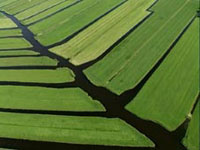
In Holland, the director
shows how locals must struggle against potentially devastating
floods with dykes as most of the country is at or below the
sea level.
Yet, while we seem to have an excess of water
in our regions, the problem is more often the lack of
drinkable water in other world areas as it is estimated that
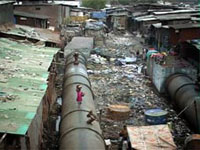
1.2 billion people drink polluted water. Sole takes the
example of Mumbai in India where 8 million people live in
slums and steal water from huge pipes feeding richer areas of
the city. The images of those pipes running through the
shantytown are particularly impressive.
The documentary
also tackles the political aspects of water management as
there are currently 12 conflicts for the control of drinking
water in different parts of the world. For instance, it
details the role of water in the conflict opposing Palestine
and Israel.
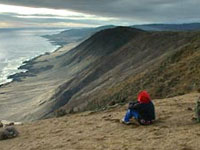
Finally, it also shows a very creative way of
handling the lack of water inspired by what nature does on its
own. Just like cactus plants in the Atacama desert of Chile
survive thanks to the water they catch from the fog that
surrounds them, people place huge veils on high hills next to
the seaside in Chile so that they can collect as much as 400
liters a day from the clouds.
To sum it up, this
diversity of points of view from around the world, completed
by expert opinions, gives a good and complete understanding of
the multiple aspects of water management and its
consequences.
Olivier Delesse
Full
coverage of Ecofilms 2005 on filmfestivals.com :
Ecofilms'
opening stroke a sensitive chord
A
decent factory tackles corporate responsibility at
Ecofilms
Ecofilms
also gives room to short films
Ecofilms
grants a Medwet award for the second year
A
spiritual angle on ecology at Ecofilms
Ecofilms
presents an experimental answer to poverty in
doc
Consumer
society under the spotlight at Ecofilms with Czech
Dream
rodos
Golden Deers
Awards
|
|
|
|
| |



 Search by


